How Bodywork Benefits Dog Owners
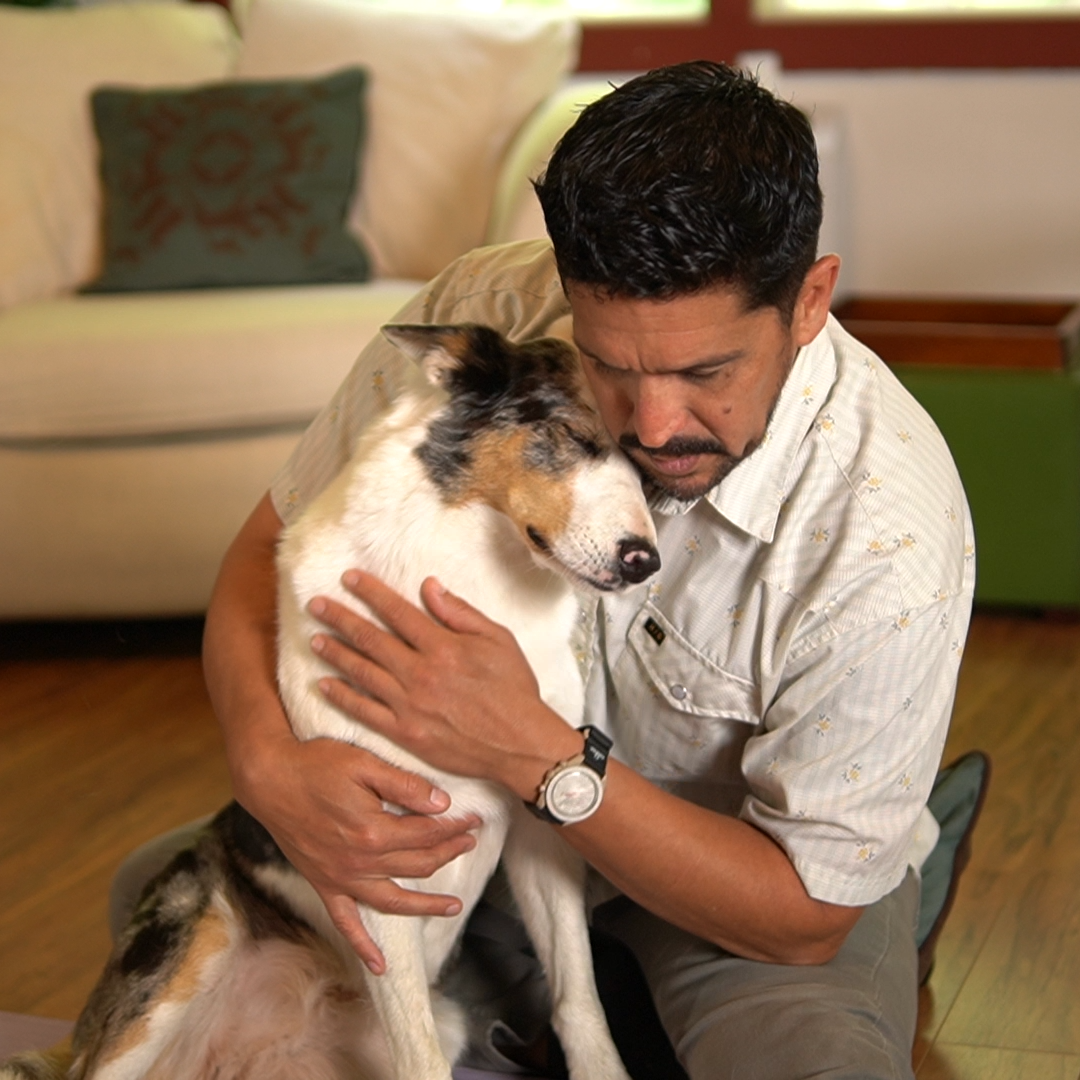
Most people discover canine bodywork to help their dogs feel better, easing stiffness, improving mobility, or supporting recovery. But what many owners don’t expect is how much they benefit too.
Learning bodywork isn’t just about anatomy or technique. It’s about slowing down, tuning in, and truly understanding the dog standing in front of you. Through mindful touch, you begin to communicate in a way that words never could, and that changes everything for both of you.
This post explores the physical, emotional, and relational benefits of canine bodywork for owners, supported by current research and practical experience.
Awareness: The Starting Point of Connection
Dogs are experts at reading us. They notice tension in our bodies, subtle changes in tone, and even shifts in breathing. Yet as humans, we often miss their equally subtle cues.
Canine bodywork brings awareness back to balance. It teaches owners to observe the small details - the twitch of a muscle, a change in breath, or a sigh that signals release. This mindful focus supports communication built on trust, not correction.
A 2020 study in Frontiers in Veterinary Science found that positive tactile interaction can reduce stress markers such as cortisol in dogs while promoting relaxation. Similar findings in humans show that touch and gentle interaction can increase oxytocin, the hormone linked to bonding and calmness (Handlin et al., 2011).
When you learn bodywork, you’re not just helping your dog relax, you’re also helping yourself regulate, breathe, and connect more deeply.
Bodywork Isn’t Only for Injured Dogs
It’s a common misconception that bodywork is reserved for dogs with arthritis or post-surgery recovery. In reality, every dog, from active working breeds to senior companions, benefits from gentle, intentional touch.
Bodywork isn’t about medical treatment. It’s about preventing small imbalances from becoming painful compensations. According to a 2017 article in the Journal of Veterinary Behavior, tactile attention and massage techniques can enhance “somatic awareness,” helping dogs feel more secure in their bodies - a state that reduces tension and reactivity.
Owners often find that regular bodywork sessions make daily life easier: walks feel calmer, grooming becomes more enjoyable, and training sessions flow more smoothly because both ends of the leash are relaxed.
The Science of the Human–Dog Connection
The benefits of bodywork extend beyond the dog. Research consistently shows that positive touch between dogs and humans benefits both species.
A study published in the International Journal of Environmental Research and Public Health (2021) found that mindful, tactile interaction with dogs lowered blood pressure and heart rate in owners while promoting feelings of calm and companionship.
The Human-Animal Bond Research Institute (HABRI) reports that pet ownership and regular interaction through grooming or massage can reduce stress and anxiety while fostering emotional resilience.
Other research, such as the 2019 Washington State University study, shows that even brief sessions of petting dogs significantly lower cortisol levels in humans, measurable proof that gentle touch benefits both body and mind.
Taken together, these studies suggest that while formal canine bodywork training is still being researched, the principles behind it (mindful, intentional touch) are scientifically supported as beneficial for both dogs and their people.
Building Confidence Through Hands-On Learning
Many new students start bodywork training worried they’ll “do it wrong.” But canine bodywork education focuses less on memorizing muscles and more on learning to observe.
As you practice, you start to notice:
How your dog shifts weight from one leg to another
When a sigh signals release versus irritation
How posture, breath, and energy mirror your own state
Over time, this awareness leads to confidence, not just in your technique, but in your understanding of your dog.
You learn to trust your intuition. And your dog learns to trust your touch.
According to Uvnäs-Moberg et al. (2015), positive physical interaction between dogs and humans promotes oxytocin release, which encourages empathy, bonding, and emotional attunement.
That shared physiological response is part of why owners often describe feeling calmer after bodywork sessions.
Why These Lessons Last a Lifetime
Over time, bodywork changes how owners see their dogs and themselves. They notice posture changes before pain develops, and subtle behavioral shifts before stress becomes reactivity.
Owners also become more aware of their own body language. Studies on emotional co-regulation show that when humans calm their breathing and posture, their dogs’ physiological responses mirror that state (Mitsui et al., 2020).
This shared calmness creates a relationship built on safety and understanding. It’s not about control; it’s about communication. And that awareness continues long after the session ends.
Ready to Deepen Your Connection?
You don’t need to be a professional to make a real difference. Canine Bodywork Online teaches everyday owners how to use touch safely and effectively to support their dog’s physical and emotional well-being.
Learn step-by-step techniques you can practice at home, backed by science and guided by compassion.
Frequently Asked Questions About Canine Bodywork
Can I learn bodywork without certification?
Yes. Canine Bodywork Online is designed for owners who want to support their dogs safely at home with evidence-based guidance.
Will bodywork replace veterinary care?
No. Bodywork complements veterinary diagnosis and care but is never a substitute. Always consult your vet before beginning new routines.
How often should I practice bodywork?
Even 5–10 minutes several times a week can help. Frequency depends on your dog’s age, activity level, and comfort.
Do dogs have to stay still during sessions?
No. Allowing movement and choice builds trust. The session is a dialogue, not a demand.
Can bodywork help anxious dogs?
Yes. Gentle, repetitive touch has been shown to lower cortisol and increase oxytocin, promoting calmness in both dogs and humans.
Closing
Bodywork is more than a skill…it’s a way of being with your dog. When you learn to listen with your hands, you give your dog safety, understanding, and calm. And in the process, you discover those same things within yourself!