
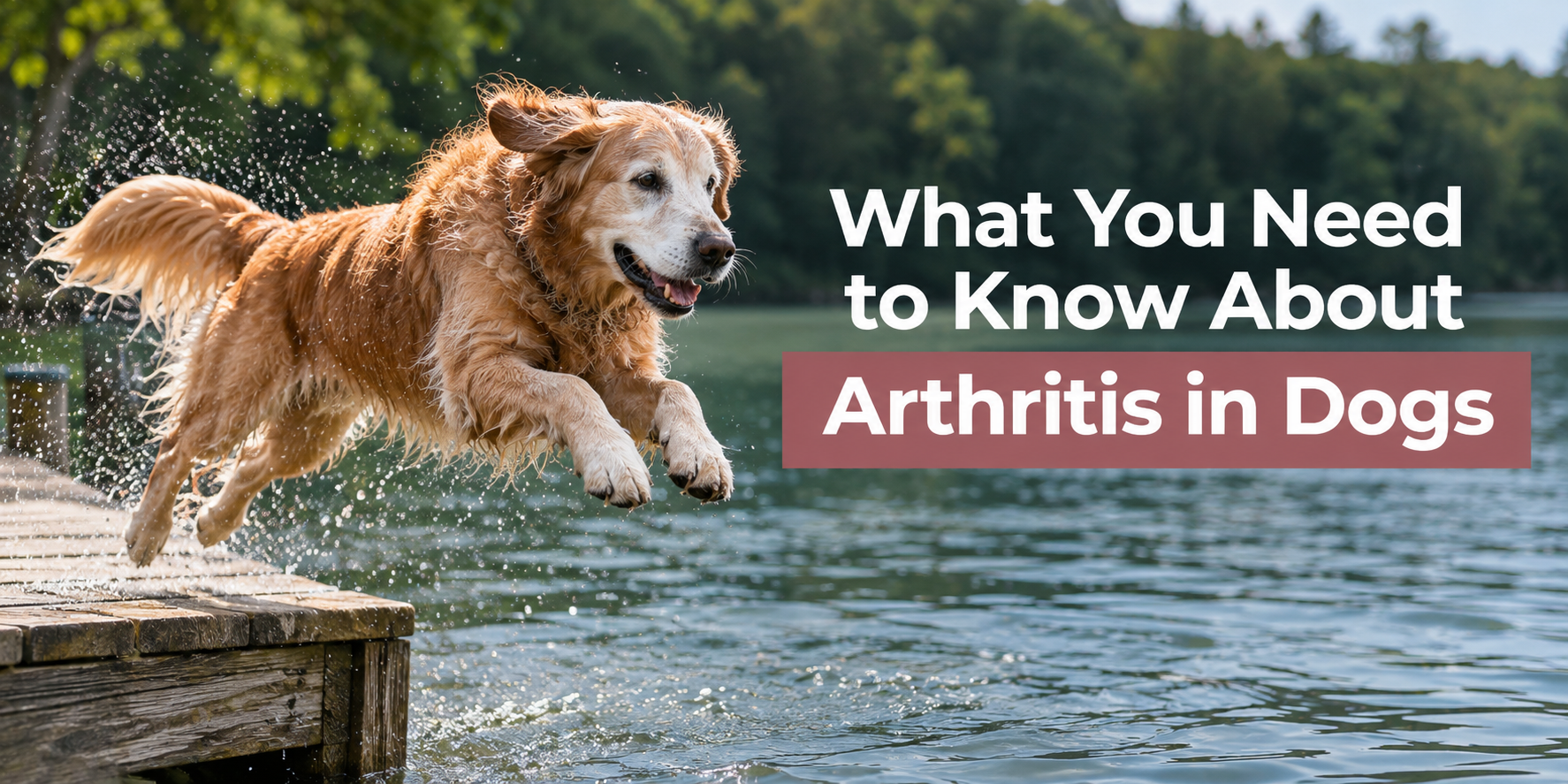
Most dog owners recognize the obvious signs of joint trouble. A limp after a long walk, difficulty climbing the stairs, or struggling to stand after a nap usually catches our attention pretty quickly. But osteoarthritis often begins affecting a dog's comfort and movement long before those more noticeable changes appear.
Perhaps your dog has started taking a little longer to get up in the morning, or you've noticed they don't stretch as fully as they once did. They might hesitate before jumping into the car, take shorter walks, or become less enthusiastic about activities they've enjoyed for years.
These changes are easy to attribute to aging, particularly in senior dogs. However, osteoarthritis is not simply a normal consequence of getting older. It is a progressive joint disease that can affect dogs of different ages, breeds, and activity levels.
Understanding what happens inside an arthritic joint, how the surrounding muscles respond, and why consistent movement remains important gives owners a much better foundation for supporting their dog's comfort.
While osteoarthritis cannot currently be cured, appropriate veterinary treatment and thoughtful daily management can make a meaningful difference in a dog's mobility and quality of life.
What Is Osteoarthritis in Dogs?
Osteoarthritis, often abbreviated as OA, is a chronic disease that affects the entire joint. Although it is commonly described as the breakdown of cartilage, the process is more complex than simple wear and tear.
A healthy joint contains several structures that work together to allow comfortable movement. Articular cartilage covers the ends of the bones, providing a smooth surface that helps distribute forces during activity. Synovial fluid lubricates the joint, while the joint capsule, ligaments, and surrounding muscles contribute to stability.
When osteoarthritis develops, changes occur throughout this system.
The cartilage gradually loses some of its normal structure and function, inflammation develops within the joint, and the underlying bone begins to remodel. The joint capsule and surrounding soft tissues can also become affected.
As these changes progress, the joint may become painful, stiff, and less capable of moving through its normal range of motion.
According to the Merck Veterinary Manual, osteoarthritis is among the most common chronic painful conditions in dogs. It can begin earlier in life than many owners realize, particularly in dogs with underlying orthopedic abnormalities.
This is an important distinction because osteoarthritis is not exclusively a senior dog problem.
A younger dog with hip dysplasia, elbow dysplasia, or a previous joint injury can begin developing arthritic changes well before reaching their senior years.
Reference: Merck Veterinary Manual — Osteoarthritis in Dogs and Cats
What Causes Osteoarthritis in Dogs?
There isn't one single cause of canine osteoarthritis. In many cases, several factors contribute to the development and progression of the disease.
Some dogs are born with structural differences that affect how forces travel through their joints. Hip dysplasia and elbow dysplasia are common examples. When the joint surfaces don't fit or function as they should, abnormal loading can contribute to inflammation and degenerative changes over time.
Previous injuries are another important factor. Damage to a ligament, cartilage, or other joint structure can alter stability and movement mechanics. Cranial cruciate ligament injuries, for example, are strongly associated with osteoarthritis in the affected knee, even after surgical stabilization.
Body weight also matters. Excess weight increases the mechanical demands placed on weight-bearing joints, while adipose tissue produces inflammatory signaling molecules that can contribute to the disease process.
Age, genetics, conformation, activity history, and previous orthopedic problems all influence an individual dog's risk.
This is why two dogs of the same age can have very different levels of joint health. One may remain active and comfortable well into their senior years, while another develops significant mobility challenges much earlier.
Early Signs of Osteoarthritis in Dogs
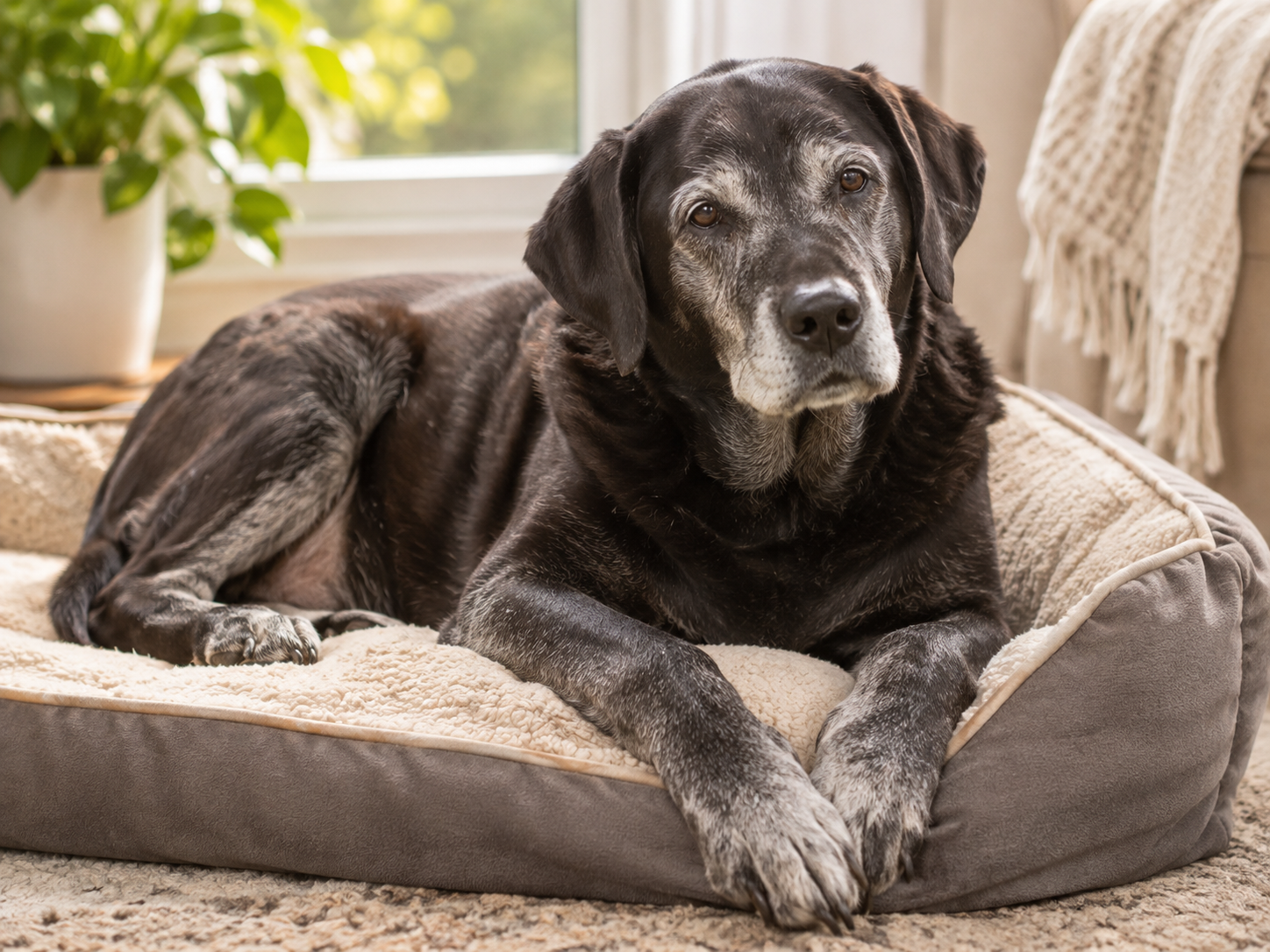
One of the difficulties with recognizing osteoarthritis is that dogs don't always display pain in the way we expect.
A dog can continue walking, playing, eating, and greeting their family while experiencing ongoing joint discomfort.
Some dogs adapt their movement gradually, making the changes difficult to recognize until their mobility becomes noticeably restricted.
Veterinary pain management guidelines emphasize the importance of observing behavior and everyday function rather than relying on limping alone.
Changes in Movement
You might notice that your dog walks more slowly, shortens their stride, or takes extra time to get comfortable after standing up.
Other common changes include:
Stiffness after sleeping or resting
Hesitation when climbing stairs
Difficulty jumping into the car or onto furniture
Slowing down or stopping earlier during walks
Changes in sitting or lying positions
Limping or favoring one limb
Reduced interest in running or playing
Some dogs appear to loosen up after they've been moving for a while. That doesn't necessarily mean their joints are healthy. Stiffness that becomes less noticeable with gentle activity can still indicate an underlying problem that needs veterinary attention.
Changes in Behavior
Chronic pain can affect more than physical movement.
A normally affectionate dog might become sensitive to handling, particularly around their hips, back, or shoulders. Others may seem restless, have trouble finding a comfortable sleeping position, or become less interested in social interaction.
You might also notice changes during grooming or everyday handling.
For example, a dog who previously enjoyed being brushed may begin shifting away when you touch a particular area. Another might become reluctant to lift a paw or turn their body while being dried after a bath.
These behaviors don't automatically indicate arthritis, but they can provide useful information about discomfort.
The American Animal Hospital Association recommends considering behavioral changes as part of a comprehensive pain assessment because pain is not always accompanied by obvious physical signs.
Reference: AAHA — 2022 Pain Management Guidelines for Dogs and Cats
How Osteoarthritis Affects the Muscles Around the Joints
When we talk about arthritis, it's easy to focus entirely on what's happening inside the joint. However, the muscles surrounding that joint are an important part of the picture.
Muscles provide stability, help control movement, and support the forces placed on the body during everyday activities.
When a joint becomes painful, a dog may begin moving differently to reduce discomfort. They might place less weight on one limb, shorten their stride, or redistribute their weight onto other parts of the body.
These adjustments can change how muscles are recruited during movement.
Over time, reduced use of an affected limb may contribute to muscle atrophy, meaning the muscles gradually lose mass and strength.
This becomes particularly relevant in dogs who have reduced their activity because movement has become uncomfortable.
A dog with hind limb osteoarthritis, for example, may develop less muscle through the affected hindquarters. As strength decreases, activities such as standing, climbing stairs, and maintaining balance become more difficult.
The body can then enter a challenging cycle: joint discomfort reduces activity, reduced activity contributes to deconditioning, and weaker muscles make everyday movement more demanding.
Research published in Animals in 2023 discusses the importance of therapeutic exercise and rehabilitation in maintaining muscular function, joint mobility, and quality of life in dogs with osteoarthritis.
While canine-specific clinical research is still developing, maintaining muscle function is an established goal of veterinary rehabilitation.
Research: Physiotherapeutic Strategies and Their Current Evidence for Canine Osteoarthritis (2023)
Should Dogs With Osteoarthritis Keep Exercising?
Yes, in most cases, appropriately managed movement remains an important part of caring for a dog with osteoarthritis.
However, there is a difference between maintaining regular activity and asking a painful joint to tolerate more than it comfortably can.
Complete inactivity can contribute to muscle loss, reduced conditioning, and further difficulty with everyday mobility. At the same time, excessive or poorly managed exercise can aggravate symptoms.
The goal is to find a sustainable level of movement that supports the dog's physical function without causing a painful flare-up.
For many dogs, this means replacing occasional long, strenuous outings with shorter, more consistent walks.
A dog who struggles after a demanding weekend hike, for example, may tolerate several shorter walks distributed throughout the week much more comfortably.
Exercise plans should account for disease severity, existing pain, other medical conditions, and current fitness. Dogs experiencing significant pain or an acute worsening of symptoms should be reassessed before their activity is increased.
Why Consistency Matters
Regular, controlled activity gives the muscles an opportunity to work and helps dogs maintain familiarity with everyday movements.
Walking on stable, predictable surfaces is often a practical starting point. Some dogs also benefit from individualized therapeutic exercises or hydrotherapy under the supervision of a qualified veterinary rehabilitation professional.
Importantly, a dog's response after exercise matters just as much as their performance during it.
If your dog appears comfortable throughout a walk but becomes noticeably stiffer later that evening or the following morning, their activity level may need adjustment.
The 2023 review of canine physiotherapy recommends a progressive approach beginning with environmental modifications and an individualized exercise plan before introducing more specialized rehabilitation exercises.
How Is Osteoarthritis Diagnosed in Dogs?
If you notice persistent stiffness, changes in movement, or reluctance to perform familiar activities, a veterinary examination is the appropriate next step.
A veterinarian will typically begin by reviewing your dog's medical history, activity patterns, and the changes you've observed at home.
They may assess your dog's gait, posture, joint movement, muscle condition, and responses to examination.
Radiographs, commonly called X-rays, can help identify structural changes associated with osteoarthritis, including new bone formation and alterations around the joint.
However, the severity of changes visible on radiographs doesn't always correspond directly with the amount of pain or functional difficulty a dog experiences.
This is one reason the dog's behavior and mobility remain important parts of the assessment.
The international Canine OsteoArthritis Staging Tool, known as COAST, was developed to help veterinary professionals assess disease severity and guide individualized management.
Its treatment recommendations emphasize ongoing monitoring, owner education, and combining different types of care to address the changing needs of dogs with osteoarthritis.
Treatment Options for Canine Osteoarthritis
Osteoarthritis management usually involves more than one treatment approach.
Because the disease affects joint structures, pain processing, movement, muscle condition, and everyday function, successful care often requires several strategies working together.
Veterinary Pain Management
Veterinarians frequently prescribe nonsteroidal anti-inflammatory drugs, or NSAIDs, to help manage the pain and inflammation associated with osteoarthritis.
These medications can be very effective for appropriately selected dogs, but they require veterinary supervision because they can affect the gastrointestinal tract, kidneys, and liver.
Other options include anti-nerve growth factor therapy, such as bedinvetmab, as well as additional medications or interventions selected according to the dog's needs.
These treatments have different mechanisms, benefits, and potential adverse effects. Decisions should be made with a veterinarian who understands the dog's medical history and current health.
For dogs receiving long-term medication, regular follow-up appointments allow the treatment plan to be adjusted as their needs change.
Reference: FDA — Controlling Pain and Inflammation in Your Dog With NSAIDs
Maintaining a Healthy Body Weight
Body condition is one of the most important factors owners can address when managing canine osteoarthritis.
Excess weight places additional physical demands on affected joints. Fat tissue also participates in inflammatory signaling, meaning the relationship between body condition and joint health goes beyond mechanical stress alone.
The AAHA pain management guidelines identify weight optimization as a foundational part of chronic pain management.
For dogs carrying excess weight, a veterinarian-guided weight management plan can improve comfort and help reduce the demands placed on their joints.
Nutrition and Joint Supplements
There are many supplements marketed toward dogs with arthritis, but the research supporting them varies considerably.
A 2022 systematic review and meta-analysis examined 57 studies involving 72 clinical trials of nutritional products and supplements for canine and feline osteoarthritis.
The researchers found meaningful evidence supporting the pain-relieving benefits of omega-3-enriched diets and omega-3 supplementation.
In contrast, the evidence for glucosamine and chondroitin was not supportive of meaningful pain relief.
This doesn't mean nutrition is unimportant. It means owners should be selective about the products they use and discuss potential benefits with their veterinarian rather than assuming every joint supplement offers the same level of support.
Helping a Dog With Osteoarthritis at Home
Veterinary treatment provides the foundation for managing osteoarthritis, but the dog's everyday environment also has an important influence on how comfortably they move.
Some of the most practical adjustments are also among the simplest.
Make Floors Easier to Navigate
Slippery flooring can create challenges for dogs who already have difficulty with balance, strength, or joint stability.
Adding non-slip rugs or runners to frequently used pathways provides more reliable traction, particularly in areas where your dog stands up, turns, or moves between rooms.
Reduce Unnecessary Jumping
Ramps or appropriately designed steps can make access to furniture or vehicles easier for some dogs.
The goal is to reduce activities that place excessive demands on painful joints while preserving as much independence as possible.
Provide Comfortable Resting Areas
A supportive bed in a warm, easily accessible location gives your dog somewhere comfortable to rest.
Consider how easily they can get in and out of the bed, particularly if they have difficulty standing after lying down.
Keep Movement Predictable
Consistent routines make it easier to monitor changes in mobility and identify which activities your dog tolerates comfortably.
Shorter, regular walks are often more manageable than unpredictable bursts of strenuous activity.
These adjustments may seem small individually, but together they help create an environment that better accommodates a dog's physical needs.
Can Massage Help Dogs With Osteoarthritis?
Massage and other manual therapies are sometimes included in veterinary rehabilitation plans for dogs with chronic musculoskeletal conditions.
These approaches focus on the soft tissues surrounding the joints rather than attempting to reverse the structural changes occurring inside an arthritic joint.
When a dog has spent time compensating for discomfort, the surrounding muscles may experience altered loading, reduced use, or changes in tension.
Gentle, appropriate hands-on care can be incorporated into a broader comfort-focused routine, particularly when a dog enjoys touch and tolerates handling well.
However, it's important to understand the limitations of the evidence.
Although veterinary rehabilitation professionals use techniques such as massage, stretching, and myofascial release, high-quality clinical research demonstrating the specific benefits of massage for canine osteoarthritis remains limited.
Massage should therefore be viewed as a potential supportive intervention, not a treatment that repairs cartilage, reverses arthritis, or replaces pain medication.
Owners should avoid applying deep pressure over painful joints, attempting forceful stretches, or manipulating areas that are swollen, hot, unstable, or particularly sensitive.
Any hands-on routine should be discussed with the dog's veterinarian, especially when osteoarthritis is advanced or the dog has other medical conditions.
Research: Current Evidence for Non-Pharmaceutical, Non-Surgical Treatments of Canine Osteoarthritis
Understanding Your Dog's Body as Their Needs Change
Living with osteoarthritis means that a dog's comfort and mobility may change over time.
Some days they may move comfortably and show enthusiasm for their usual activities. On other days, they may need a lighter routine, additional rest, or adjustments to their pain management plan.
Learning to observe these changes is one of the most useful things an owner can do.
Pay attention to how your dog stands after resting, whether their stride looks different, how comfortably they navigate familiar spaces, and whether their response to everyday touch has changed.
Keeping a simple record of mobility, activity, and behavior can help you recognize patterns and give your veterinarian more useful information during follow-up appointments.
You might also take occasional short videos of your dog walking, standing, or using stairs. These can document changes that aren't always visible during a clinic examination.
Understanding your dog's normal movement and behavior gives you a stronger foundation for noticing when something changes.
Can Dogs With Osteoarthritis Still Have a Good Quality of Life?
Absolutely. Although osteoarthritis is a progressive disease, many dogs continue to enjoy comfortable, fulfilling lives with appropriate care.
The important thing is to recognize that their needs may change and to adjust their management accordingly.
A dog who can no longer manage long hikes may still enjoy shorter walks, gentle play, exploring the yard, and spending time with their family.
Protecting quality of life doesn't always mean maintaining the same activities at the same intensity. Sometimes it means finding new ways to keep dogs engaged, comfortable, and active within their current abilities.
Regular veterinary assessments, appropriate pain management, weight control, and individualized exercise provide the foundation.
Supportive care at home adds another opportunity to respond thoughtfully to the needs of the dog in front of you.
Learn to Better Support Your Dog's Comfort With Canine Bodywork Online
When your dog begins showing changes in comfort or mobility, it's natural to want to understand what's happening and find useful ways to help between veterinary appointments.
Canine Bodywork Online (CBO) gives dog owners guided education in gentle bodywork techniques, helping them become more familiar with their dog's muscles, recognize areas of tension, and introduce appropriate hands-on care into their regular routine.
Rather than waiting until your dog appears noticeably uncomfortable, you can develop a better understanding of how their body responds to everyday movement, activity, and aging.
For dogs living with osteoarthritis, that awareness is particularly valuable when used alongside a veterinarian-directed management plan.
Explore Canine Bodywork Online and learn how to provide thoughtful, hands-on comfort support for your dog at home.
Canine Bodywork Online is an educational resource and does not replace veterinary diagnosis, medication, or professional rehabilitation. Always seek veterinary guidance before beginning massage or bodywork with a dog who has osteoarthritis or unexplained pain.