
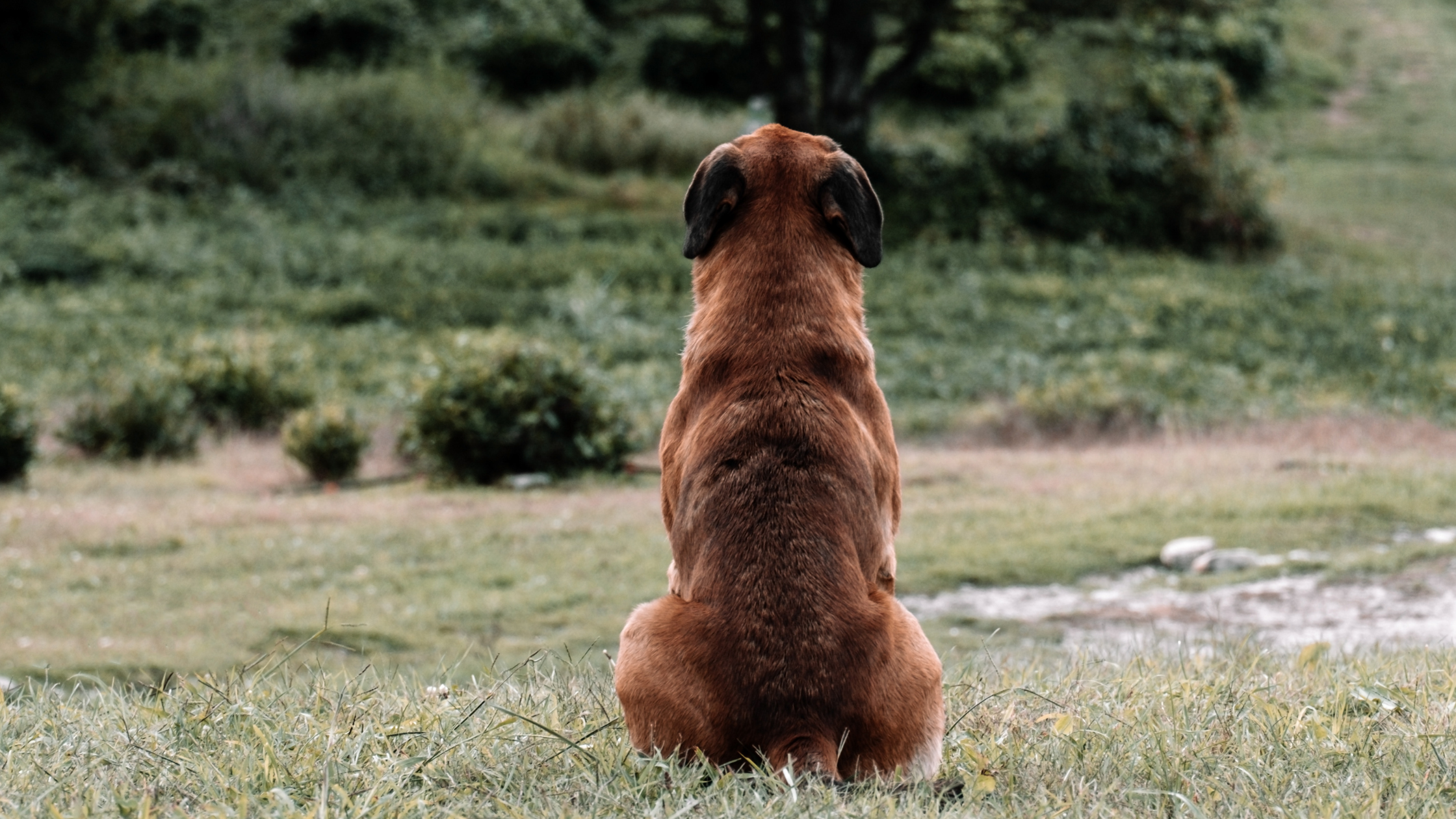
When a dog starts moving differently, owners usually notice it quickly, even if they cannot explain exactly what changed.
Maybe your dog is slower to get up. Maybe they hesitate before jumping into the car. Maybe they seem tighter through the middle of the body, or you notice they are not moving with the same ease they usually do. For many people, the first thought is simple: I think my dog hurt their back.
Sometimes that is exactly what is going on. Sometimes the picture is more layered than that. Either way, the back deserves attention.
The canine spine does much more than hold the body together. It is central to movement, balance, coordination, and comfort. When something feels off there, the whole dog often looks different.
Understanding the Structure of the Canine Back
The canine back is not just a row of bones running from neck to tail. It is a working system made up of the spine, the muscles that support it, and the connective tissue that helps everything move together.
The spine itself has several regions, each with a different job. The neck is designed for mobility and reach. The thoracic area, where the ribs attach, creates stability through the middle of the body. The lower back helps transfer power from the hind end forward. Then the spine connects into the pelvis, where movement and support need to work together smoothly.
Around all of this is a network of muscles and fascia that helps your dog bend, stabilize, rotate, and carry themselves well. When these tissues are working in harmony, movement looks fluid and efficient. When they are not, the body starts to compensate.
That is one reason back discomfort can show up in so many different ways. The spine is not isolated. It influences how the whole dog functions.
The Spine Matters for Everyday Movement
A healthy back allows a dog to move with ease. It helps connect the power of the hind end to the reach and support of the front end. Every stride, every turn, every jump, and every change of direction asks something of the spine.
When the back is comfortable, those movements happen naturally. The dog can shift weight, round and extend through the body, and move with freedom. When the back is tense, guarded, or sore, movement often becomes more cautious and less efficient.
This is when owners start noticing that something feels “off.” The dog may still be active, but not quite as fluid. They may still want to participate, but not with the same confidence. These changes are easy to dismiss in the beginning, especially if they are subtle. But from a bodywork perspective, they matter.
Small changes in spinal comfort often create much bigger changes in the rest of the body.
What It Can Look Like When a Dog Hurts Their Back
Back discomfort does not always present dramatically. In fact, some of the most common dog hurt back symptoms are the ones owners second-guess at first.
A dog may hesitate before jumping onto furniture or into the car. They may become slower to sit or stand. You might notice sensitivity when touching along the back, or a dog who seems tighter through the middle than usual. Some dogs begin moving more cautiously. Others seem less playful, less willing to stretch, or less relaxed during daily routines.
Sometimes the signs are physical. Sometimes they are behavioral. A dog who is uncomfortable through the back may seem more withdrawn, more irritable, or simply less like themselves.
This is where it helps to remember that discomfort changes movement, and changed movement often changes behavior too.
Back Discomfort Is So Easy to Misread
One of the reasons back issues are often missed is because they do not always look like “back issues.”

A dog with spinal tension may appear to have a hip problem. Or a stifle problem. Or they may simply seem like they are aging.
Owners often focus on the legs because that is where movement looks different, but the back may be the place influencing the whole pattern.
Dogs are also incredibly good at compensating. They will shift weight, shorten stride, brace through the body, and keep going long before they fully stop.
That is why I always encourage owners to look at the bigger picture. If your dog is moving differently, standing differently, or responding differently to touch, it is worth considering what the back may be contributing to the overall pattern.
What Can Contribute to Tension or Discomfort in the Back
Back tension rarely comes from one single source. More often, it develops from a combination of strain, compensation, weakness, and day-to-day wear on the body.
For some dogs, it starts with overuse. Athletic dogs, active dogs, and dogs who love to twist, sprint, and jump place a lot of demand on the spine and surrounding tissues. For others, the issue begins after an injury somewhere else. The body changes how it moves to protect one area, and the back starts absorbing extra work.
Weakness can play a role too. If a dog lacks good core support or is not using the hind end well, the back often takes on more tension than it should. Even emotional stress can show up physically. Dogs that hold tension in the body often do so through the topline and lower back.
This is why the back is such an important area to assess. It often reflects not just one problem, but the body’s overall strategy for coping.
Where Dog Massage Fits In
This is where dog massage can be incredibly supportive.
Massage is not a substitute for veterinary care, and it is not a way to work around a medical issue that needs diagnosis. But when used appropriately, it helps support the soft tissue around the spine, especially in dogs who are tense, guarded, or compensating.
From a bodywork perspective, the goal is not to chase pain. The goal is to help the tissues soften, improve body awareness, and give the dog a better chance to move comfortably again. Often, that means working with the muscles along the back, the shoulders, the hips, and the surrounding areas that are helping hold the pattern in place.
It also means helping owners become more familiar with their dog’s normal. That awareness is one of the most valuable parts of bodywork. When you know what your dog usually feels like, you notice change sooner.
Movement, Recovery, and the Bigger Picture
Massage works best as part of a bigger recovery and wellness picture.
A dog who has been guarding through the back does not just need softer muscles. They also need appropriate movement, enough rest, and the chance to rebuild confidence in how the body moves. Sometimes that means slowing things down. Sometimes it means reintroducing activity more thoughtfully. Sometimes it means supporting the nervous system, not just the muscles.
This is why bodywork is so valuable. It helps you see the body more clearly, but it also helps the dog feel safer and more supported in that body.
That matters whether the issue is mild tension, recovery from strain, or a dog who simply has not felt fully comfortable for a while.
What This Means for You as an Owner
If your instinct is that your dog hurt their back, trust that enough to look closer.
You do not have to diagnose the issue yourself. But you do want to notice what has changed. Is your dog moving differently? Standing differently? Reacting to touch in a new way? Are they hesitating before activities that used to feel easy?
These are the kinds of observations that help you decide what support is needed next, whether that means veterinary care, more rest, or bodywork support.
The earlier you notice the pattern, the more options you usually have for helping your dog well.
Seeing the Back as Part of the Whole Dog
The back is not just one area of the body. It is one of the main places where movement, posture, stress, and compensation all meet.
When a dog is uncomfortable through the spine, the effects often show up everywhere else. That is why looking at the back through a whole-body lens matters so much.
If you want to understand your dog’s body more clearly and learn how to support it in a safe, practical way, Canine Bodywork Online can help. Our programs are designed to help owners recognize tension patterns, understand what they are feeling, and support their dogs with more confidence.
When you understand the back better, you usually start understanding the whole dog better too.
Frequently Asked Questions
What are common dog hurt back symptoms?
Common signs include stiffness, hesitation to jump, sensitivity to touch, changes in posture, slower movement, or a dog who seems less comfortable in normal daily activities.
Does a dog with a hurt back always mean a serious injury?
Not always. Sometimes the dog is dealing with muscular tension or compensation, but sudden pain or major mobility changes should always be evaluated by a veterinarian.
Can dog massage help with back tension?
Dog massage can support the muscles and fascia around the spine, helping improve comfort and reduce holding patterns when used appropriately.
When should I call the vet?
If your dog has sudden pain, weakness, difficulty standing, dragging limbs, or significant changes in mobility, contact your veterinarian right away.