
The History of Massage and Therapeutic Touch for Dogs
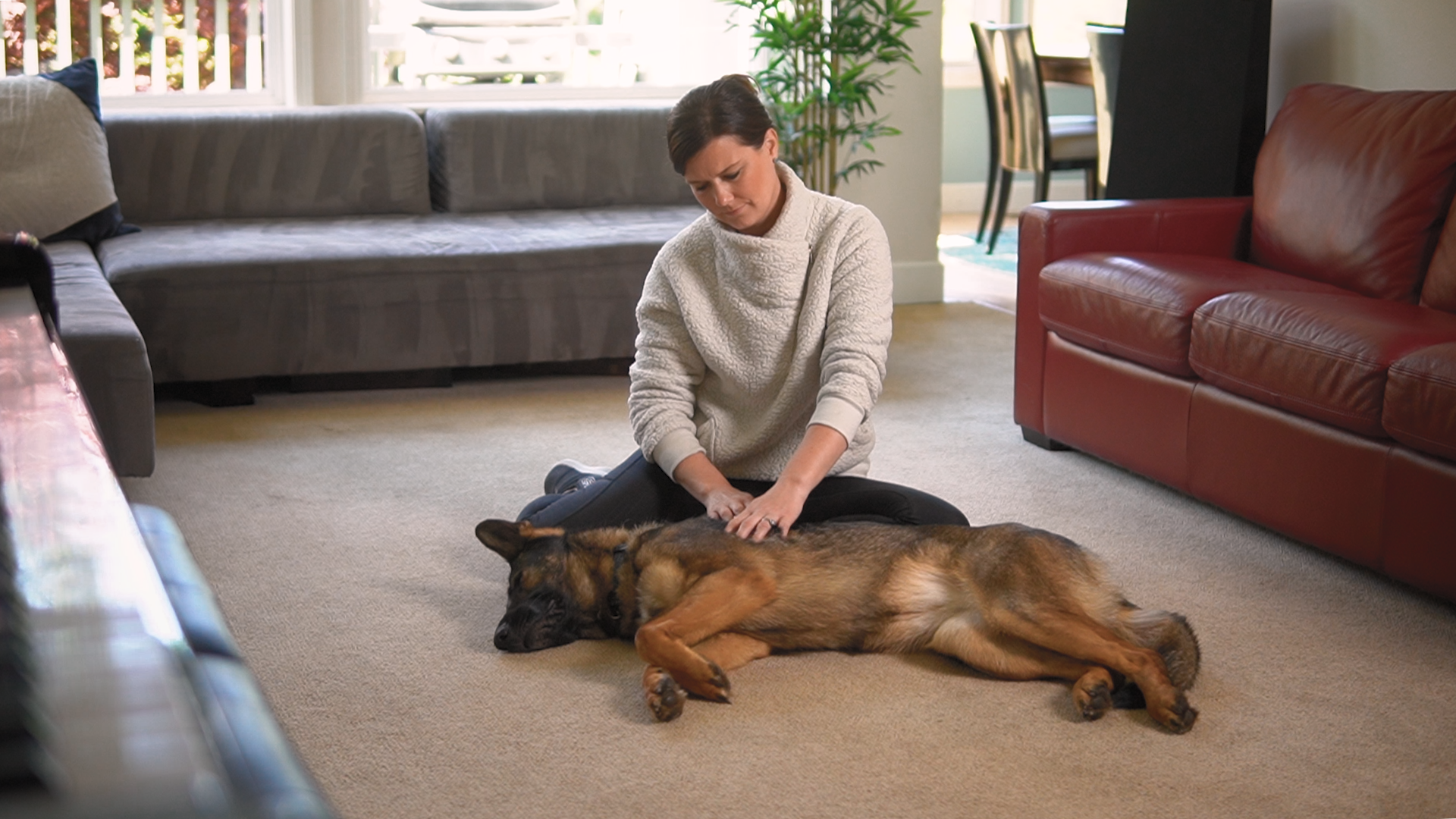
When most people hear the words “dog massage,” they picture something modern. Maybe even trendy.
But therapeutic touch for dogs is not new. It has deep roots in both human medicine and animal care. What’s new is how much we understand today about canine massage benefits and how this work supports both physical comfort and emotional regulation.
In this article, we’ll look at the history of dog massage, how it evolved from working and performance animals into everyday holistic care for dogs, and what research tells us about why touch matters.
Where Therapeutic Touch Began
Massage itself is ancient. Historical records show that forms of therapeutic touch were practiced in China, Egypt, Greece, and Rome thousands of years ago. It was used to support circulation, recovery, and overall well-being.
For centuries, animal care closely followed human medical practices. In agricultural societies, horses and working animals often received manual therapies to help them stay functional. Written documentation of veterinary massage appears in European texts as early as the 18th and 19th centuries.
Dogs, however, were not originally viewed as patients in the same way horses were. Most early canine manual therapy was applied to military, hunting, and working dogs. The focus was performance and endurance.
The idea of massage for family dogs came much later.
How Equine and Human Therapy Influenced Dog Massage
In the 20th century, equine sports medicine advanced rapidly. Veterinarians and researchers began studying biomechanics, muscle fatigue, and rehabilitation. Manual therapies were integrated into horse care to support recovery and performance.
Around the same time, human physical therapy and massage therapy were becoming more structured professions. Research began examining how massage influenced circulation, muscle tone, and the nervous system.
As veterinary medicine evolved, professionals started adapting these principles for dogs. The same muscles and joints that power a horse or human athlete exist in dogs. The science of movement applies across species.
This crossover helped shape what we now call canine bodywork.
The Rise of Canine Rehabilitation
The real turning point came in the 1990s. Veterinary rehabilitation became more established as a field. The American Veterinary Medical Association formally recognized physical therapy and rehabilitation as important adjunct treatments in animals.
At the same time, research began documenting musculoskeletal injuries in sport and working dogs, especially in agility and police K9 units.
With increased understanding of canine biomechanics came greater interest in preventive care. Manual therapies were no longer only about recovery after injury. They were about maintaining mobility and reducing strain before breakdown occurred.
This shift marked a major chapter in the history of dog massage. Massage and therapeutic touch were no longer just performance tools. They became part of comprehensive canine rehabilitation programs.
What the Science Says About Touch
Now let’s look at why therapeutic touch works.
Research on human and animal interaction shows that gentle physical contact can increase oxytocin levels and decrease cortisol levels in both dogs and humans. Oxytocin is often called the “bonding hormone.” Cortisol is a stress hormone.
When a dog experiences calm, consistent touch, the nervous system shifts toward a parasympathetic state. That state supports relaxation, digestion, and tissue repair.
Studies examining tactile stimulation in dogs have also shown signs of reduced heart rate and improved behavioral calmness during controlled touch sessions.
This is one reason why canine massage benefits extend beyond muscles. They influence emotional state and stress response as well.
Massage may also support circulation and flexibility. In human research, massage has been associated with increased blood flow and improved range of motion. While canine-specific data is still developing, veterinary rehabilitation literature supports the role of manual therapy in musculoskeletal recovery programs.
In simple terms: touch helps regulate both the body and the nervous system.
From Elite Dogs to Everyday Companions
For many years, canine massage was most common in competitive or working dogs. Agility dogs, sled dogs, and police K9 units were early adopters of preventive manual therapy.
But something shifted.
As dogs became more integrated into family life, owners began seeking proactive, holistic care for dogs. The focus expanded from performance to quality of life.
Today, therapeutic touch for dogs is used to support:
• Senior dog mobility
• Anxiety and stress regulation
• Recovery after surgery
• Muscle tension from everyday activity
• Improved body awareness
The move toward dog bodywork education has made this care more accessible. Owners no longer need to rely only on professionals. With proper instruction, they can safely incorporate gentle techniques at home.
That education piece is what transformed canine massage from a specialized tool into a shared wellness practice.
Why This Matters Today
Understanding the history of dog massage helps us see that this work is not a trend. It is the result of decades of evolving knowledge in veterinary medicine, biomechanics, and nervous system science.
When applied responsibly and alongside veterinary care, massage supports:
• Comfort
• Mobility
• Stress reduction
• Bonding
• Awareness of early physical changes
Holistic care for dogs does not replace medical care. It complements it.
And as we move forward, education will continue to shape how therapeutic touch is used responsibly and effectively.
Frequently Asked Questions
What are the main canine massage benefits?
Canine massage benefits include muscle relaxation, improved circulation, stress reduction, and enhanced bonding between dog and owner.
Is therapeutic touch for dogs supported by research?
Yes. Research supports the role of touch in regulating stress hormones and supporting rehabilitation programs in veterinary medicine.
When did dog massage become common?
Dog massage expanded significantly in the 1990s with the rise of veterinary rehabilitation and sport dog medicine.
Does massage replace veterinary care?
No. Massage and bodywork support overall wellness but do not replace veterinary diagnosis or treatment.