
Do Dogs Like to Be Pet? Understanding Intentional Touch and Our Dogs
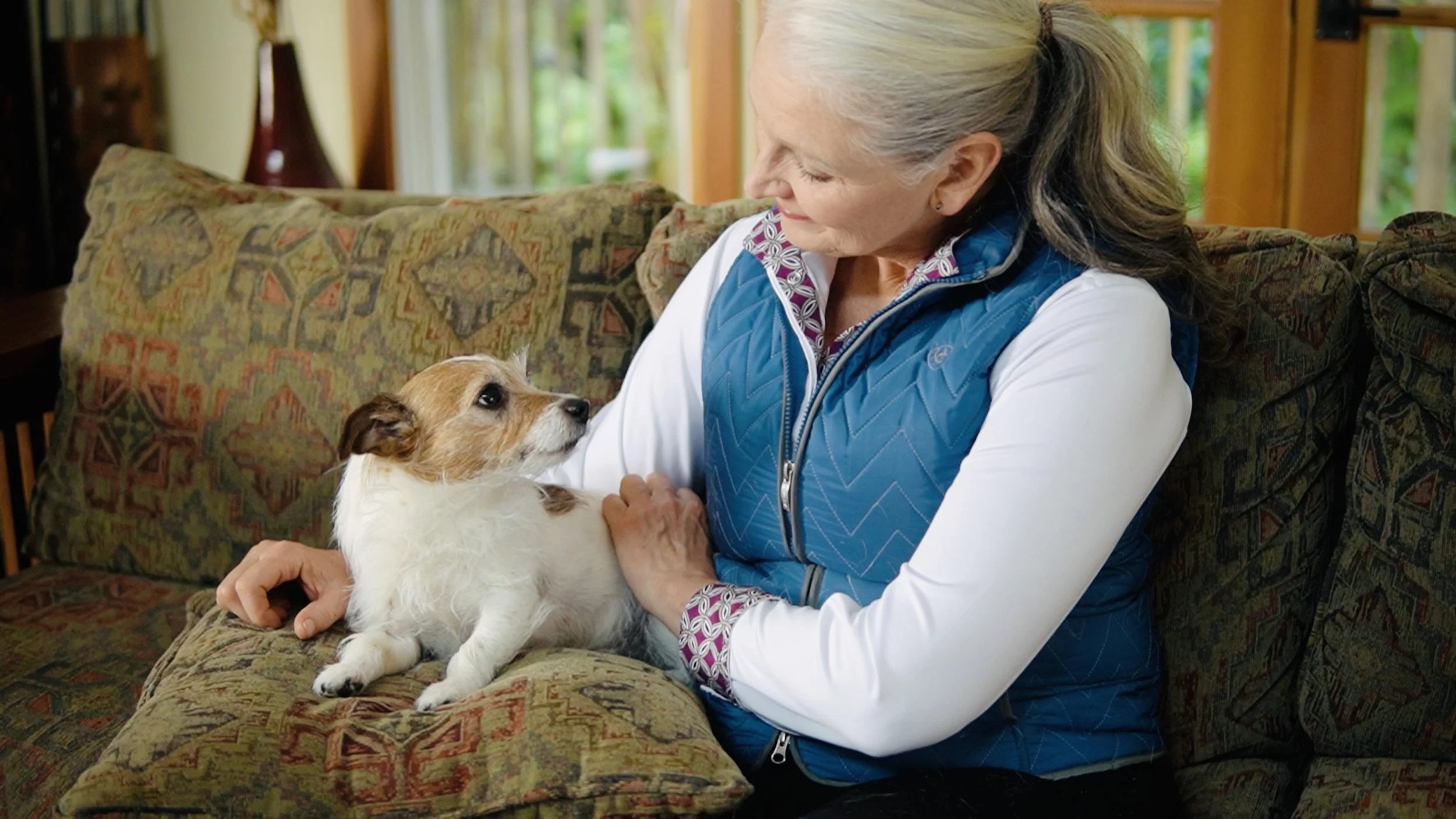
Most dog owners assume the answer is obvious.
Of course, dogs like to be pet. They lean in. They wag their tails. They stay close. Touch is how we show affection, comfort, and love.
But the real answer is more nuanced.
Some dogs enjoy being pet. Some tolerate it. Some love certain types of touch but not others. And some dogs only enjoy touch when it is offered in a way that feels safe and respectful to their nervous system.
Understanding intentional touch changes the way we relate to our dogs and how our dogs experience us.
Do dogs like to be pet, or do they tolerate it?
Dogs are social animals, but they do not all experience physical contact the same way humans do.
Many dogs learn early that being touched is part of living with people. They may stand still, wag, or stay nearby even if the touch itself is not enjoyable. That does not mean they are relaxed or regulated.
Dogs often prioritize connection over comfort. They stay close because they want to be near us, not because every interaction feels good in their body.
This is why learning to read body language matters more than assuming affection equals enjoyment.
What intentional touch actually means
Intentional touch is not about petting your dog less. Instead, do it with awareness and intention.
This means:
Paying attention to how your dog responds before, during, and after touch
Letting your dog choose to stay engaged rather than holding them in place
Adjusting pressure, speed, and location based on feedback
Intentional touch respects the dog’s nervous system. It invites connection instead of assuming it.
When touch is intentional, it becomes a conversation rather than a one sided action.
Signs a dog enjoys being pet
Dogs communicate clearly when we know what to look for.
Signs a dog is enjoying touch often include:
Leaning into the hand or shifting closer
Soft eyes and relaxed facial muscles
Slow breathing or gentle sighs
Loose body posture
Choosing to stay present rather than moving away
These signs tend to appear together. One signal alone does not tell the whole story.
Signs a dog may not enjoy the touch
Just as important are the signs of discomfort or tolerance.
These can include:
Turning the head away
Lip licking or yawning outside of a relaxed context
Freezing or stiffening the body
Moving away once the touch stops
Lowered head or tucked posture
When we miss these signals, dogs may escalate their communication over time.
Why dogs respond differently to different types of touch
Not all touch feels the same to a dog.
Pressure, speed, and location matter. Fast repetitive petting can be stimulating or overwhelming. Firm pressure in certain areas can feel grounding. Light touch in sensitive zones may feel irritating.
Past experiences also shape response. Dogs with injuries, chronic tension, or a history of restraint may feel defensive around certain types of contact.
This is where intentional touch becomes especially important. It allows us to meet the dog where they are today, not where we assume they should be.
The nervous system and touch
Touch directly affects the canine nervous system.
When touch feels safe and predictable, it can:
Support relaxation
Improve body awareness
Reduce stress responses
Increase trust and emotional regulation
When touch feels invasive or unpredictable, it can do the opposite.
Dogs do not separate emotional and physical experiences. How they feel in their body influences how they feel about interaction as a whole.
How intentional touch builds trust
Trust is not built through constant contact. It is built through respectful contact.
When a dog learns that their signals are noticed and honored, they become more willing to engage. Touch stops being something that happens to them and becomes something they participate in.
Over time, this changes how dogs relate to grooming, handling, training, and even veterinary care.
How Canine Bodywork Online approaches intentional touch
Inside Canine Bodywork Online, intentional touch is taught as a foundational skill.
You learn how to:
Read subtle body language cues
Offer touch in a way that invites consent
Support muscle relaxation without overwhelming the nervous system
Build confidence in your hands rather than relying on force or restraint
The focus is not on fixing behavior. It is on improving communication and comfort through awareness.
Intentional touch becomes something you use daily, not just during bodywork sessions.
A more thoughtful way to connect
So, do dogs like to be pet?
Some do. Some do not. Most appreciate being touched when it is done with awareness, respect, and choice.
When we slow down and listen with our hands, we create space for real connection. Touch becomes supportive instead of assumed.
And our dogs learn that being close to us feels safe, not just familiar.
Frequently Asked Questions
Do dogs like to be touched all the time?
No. Many dogs enjoy touch in certain moments and locations, but need space at other times.
How can I tell if my dog wants to be touched?
Look for leaning in, relaxed posture, and choosing to stay engaged. Avoid assuming based on tail wagging alone.
Is it okay if my dog moves away?
Yes. Moving away is clear communication. Respecting it builds trust.
Can intentional touch help anxious dogs?
Yes. When done correctly, intentional touch can support nervous system regulation and emotional safety.
Is intentional touch the same as massage?
No. Intentional touch focuses on awareness and consent. Massage techniques may be part of it, but the mindset comes first.