
Massage for Dogs Deserves a Place in Their Regular Care Routine
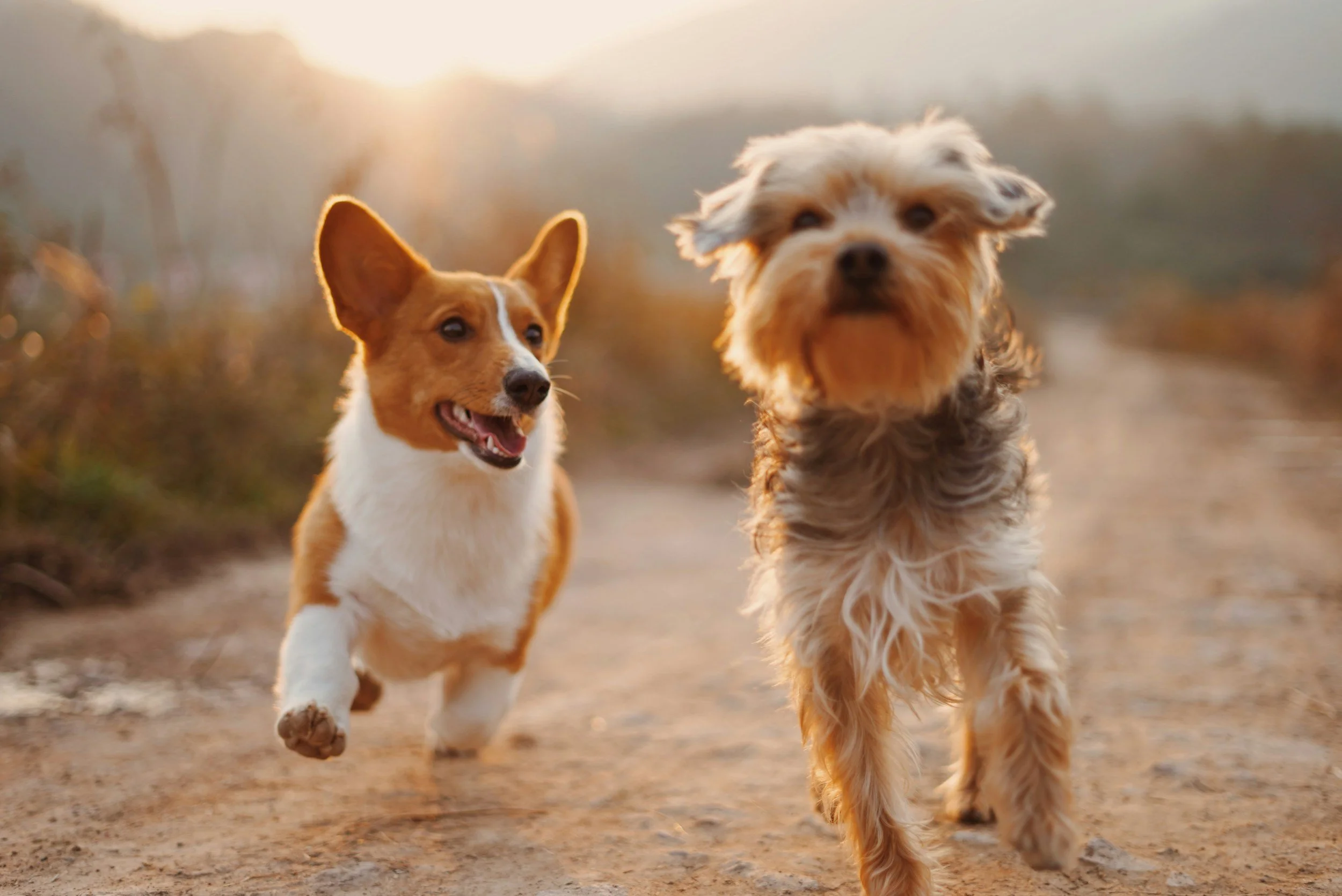
We put a lot of thought into keeping our dogs healthy and happy. We carefully choose their food, make time for walks and exercise, schedule veterinary appointments, and do everything we can to give them a comfortable life.
But there's one area of everyday care that often gets overlooked: their muscles.
When we think about massage for dogs, we tend to picture senior dogs struggling with stiffness or dogs recovering from an injury. While bodywork may have a place in these situations with appropriate veterinary guidance, our dogs use their muscles every single day.
From chasing a ball across the yard to climbing onto the couch, their bodies are constantly working. And we don't have to wait until something feels wrong to start paying attention.
Why Most Dog Owners Don't Think About Regular Bodywork
For many dog owners, massage simply hasn't been introduced as part of a regular wellness routine.
We're familiar with the importance of grooming, dental care, nail trimming, and exercise. Muscle care, however, tends to enter the conversation when a dog develops a mobility problem or begins showing signs of discomfort.
Part of the challenge is that changes in how a dog moves can be surprisingly subtle. A dog might begin taking the stairs more slowly, hesitate before jumping into the car, or shift how they sit or lie down. These changes can happen gradually, making them easy to miss.
We may also associate slowing down with getting older, even though changes in movement deserve attention regardless of age.
Learning about canine massage gives owners another opportunity to become familiar with their dog's body and recognize when something changes.
Your Dog's Muscles Are Working Even When You Don't Notice
Your dog's muscles do much more than help them run and play. They support posture, stabilize joints, and coordinate the movements that allow your dog to navigate their environment.
Every step involves muscles contracting and relaxing while connective tissues help transfer and manage forces throughout the body.
When your dog runs, jumps, turns, or climbs stairs, different muscle groups work together to produce and control movement. Even standing requires muscular activity to maintain balance and posture.
And these demands aren't limited to highly active dogs.
As dogs age, changes in muscle mass, strength, and activity levels can influence how comfortably they move. Dogs of any age may also change their movement patterns in response to discomfort, fatigue, or other physical conditions.
This is one reason paying attention to your dog's movement is so valuable.
Gentle dog bodywork can provide an opportunity to explore how your dog responds to touch, encourage relaxation, and become more familiar with areas where they may be sensitive.
Massage doesn't replace veterinary assessment or treatment, but it can complement a thoughtful approach to everyday care.
The Benefits of Making Canine Massage Part of Your Routine
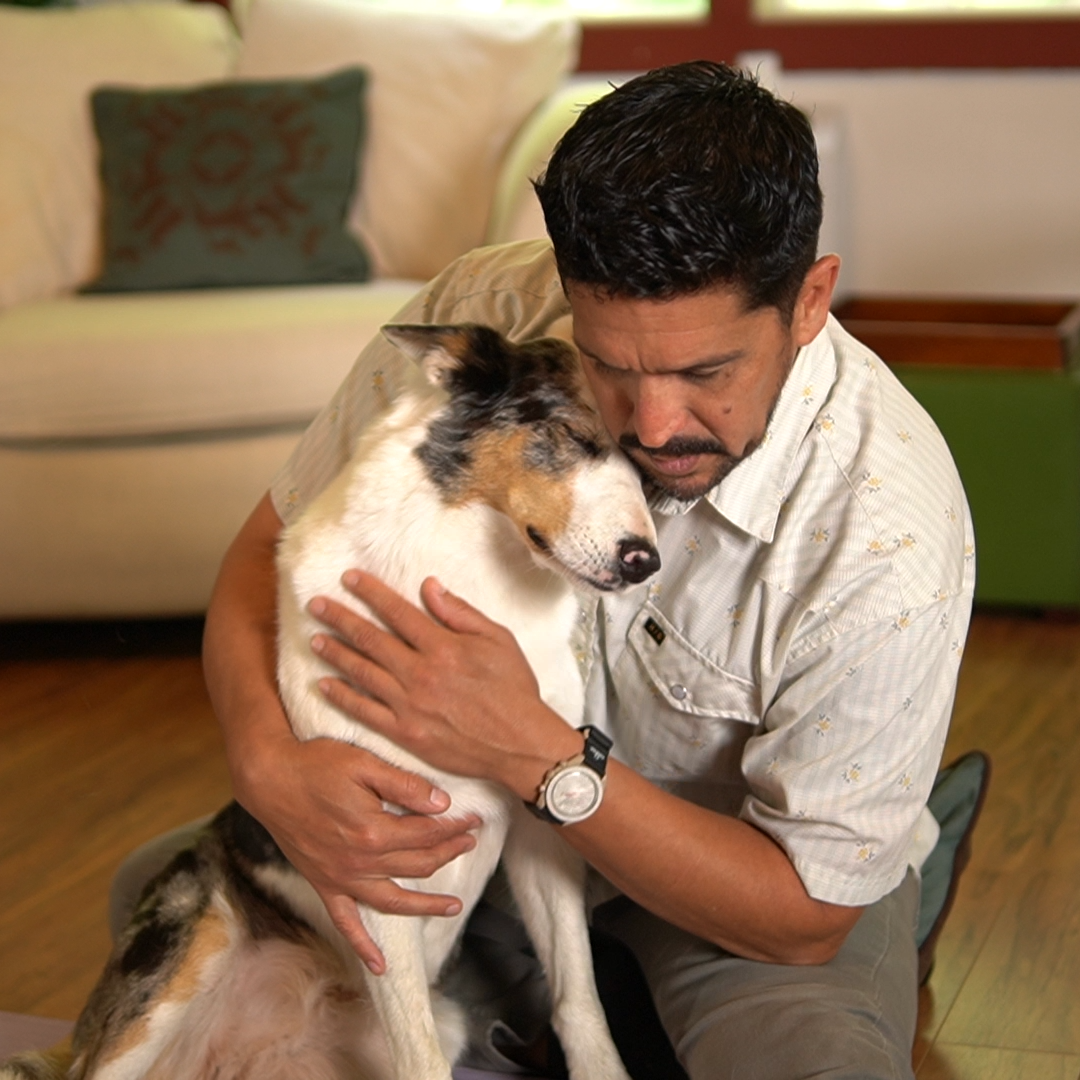
There are several reasons to consider incorporating gentle massage into your dog's life, even when they appear healthy and comfortable.
Many dogs enjoy gentle, predictable touch, particularly when they're resting in a familiar environment. Massage may encourage relaxation and provide a pleasant sensory experience for dogs who welcome physical contact.
Becoming more familiar with your dog's body
Regular hands-on interaction can help you recognize what's normal for your individual dog. Over time, you may become more aware of changes in sensitivity, muscle condition, or how your dog responds when certain areas are touched.
These observations can provide useful information to share with your veterinarian when something seems different.
Creating opportunities for connection
A quiet massage routine also gives you time to connect with your dog without asking them to perform a task.
The important part is allowing your dog to participate willingly. Some dogs enjoy prolonged contact, while others prefer a few seconds of touch before moving away. Respecting those preferences helps keep the experience comfortable and positive.
Your Dog Doesn't Have to Be Old or Injured to Benefit
Canine massage isn't exclusively for senior dogs or those recovering from physical problems.
Young, active dogs may enjoy gentle touch after a busy day of play. Adult dogs can experience massage as part of a familiar relaxation routine, while senior dogs may appreciate an approach adapted to their changing comfort and mobility.
The key is recognizing that every dog is different.
Their age, health, activity level, temperament, and preferences should all influence how bodywork is introduced.
Massage should never be forced or used to work through pain. If your dog develops unexplained discomfort, swelling, lameness, or significant changes in movement, a veterinary assessment should come before attempting massage at home.
Bringing Massage for Dogs Into Everyday Life
You don't have to become a professional canine massage therapist to learn how to offer your dog gentle, supportive touch.
With the right education, you can begin understanding your dog's basic anatomy, recognizing their responses to touch, and learning techniques appropriate for everyday wellness.
Sivo's Canine Bodywork Online program helps dog owners develop these skills from home, making bodywork education more accessible and easier to incorporate into their routines.
The goal isn't to replace veterinary care or diagnose physical problems. It's to give owners the knowledge and confidence to become more involved in supporting their dog's everyday comfort.
Your dog doesn't have to be struggling before you begin paying closer attention to their muscles and movement.
Discover Canine Bodywork Online and learn how to make gentle, supportive touch part of your dog's regular care routine.