
Why Your Dog May Seem Stiffer When the Weather Gets Colder
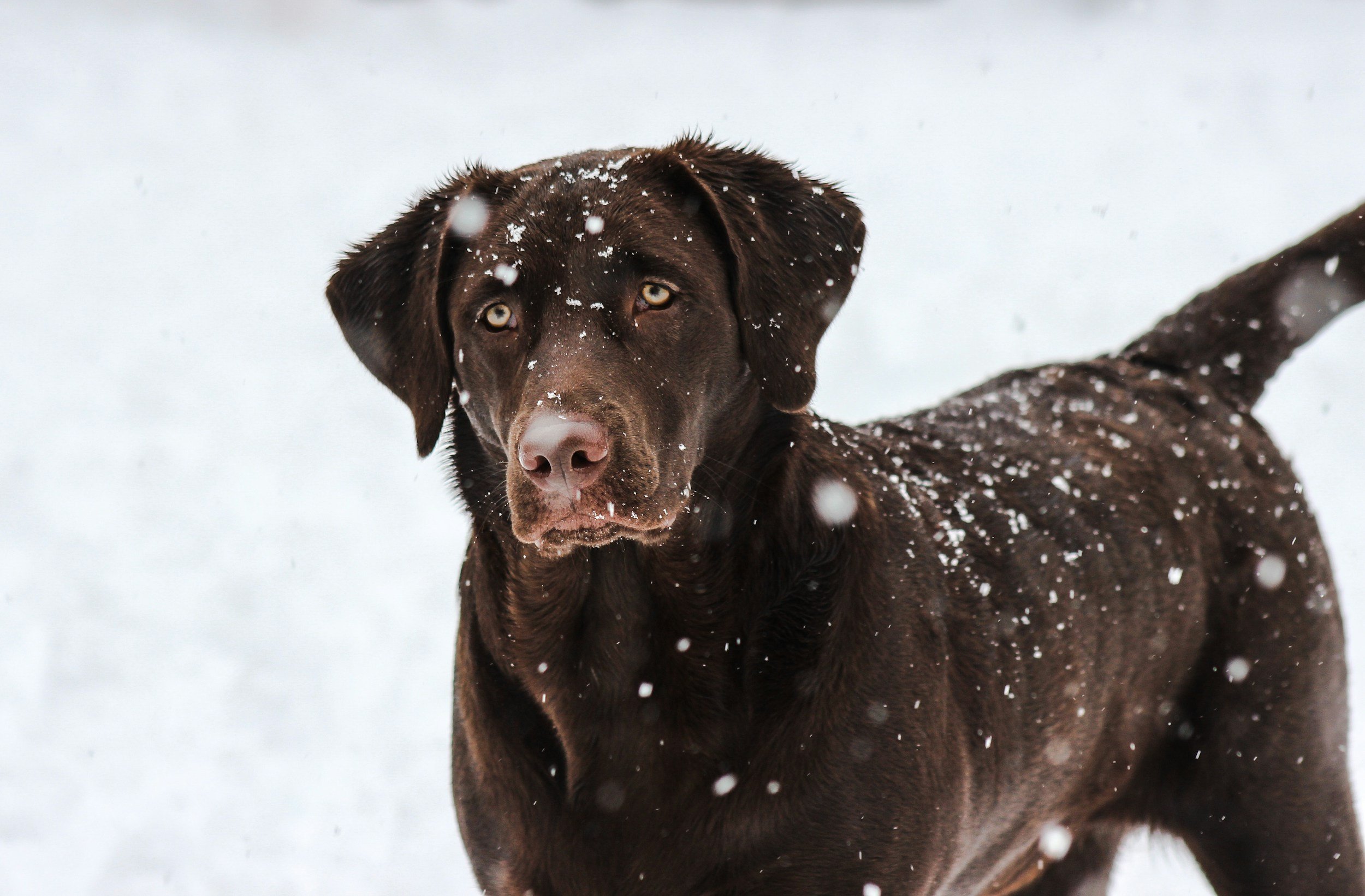
Maybe your dog takes a little longer to get up after a nap. They're slower heading down the stairs first thing in the morning, hesitate before jumping into the car, or spend the first few minutes of their walk moving differently than they did a few months ago.
It's easy to notice these changes as temperatures drop and assume the cold is responsible. But winter changes more than the weather. Walks may get shorter, outdoor play decreases, slippery surfaces change how dogs move, and many dogs simply spend more time resting indoors.
So, if you're noticing dog stiffness in cold weather, it's worth looking at the bigger picture!
Does Cold Weather Really Make Dogs Stiffer?
Some dog owners report noticing more stiffness or mobility changes when temperatures drop, particularly in dogs who already have osteoarthritis or other musculoskeletal conditions. But it's difficult to separate temperature from everything else that changes during winter.
Your dog's activity level may be different. Their exercise routine may change. Snow and ice can affect their footing. They may spend longer periods sleeping or resting between walks. And an underlying mobility problem may simply be becoming easier to notice.
This distinction is important because stiffness shouldn't automatically be dismissed as something that happens because it's cold or because your dog is getting older.
Osteoarthritis can cause stiffness, difficulty getting up, reluctance to exercise, and changes in a dog's normal activities. And while we often associate arthritis with senior dogs, osteoarthritis can affect younger dogs as well.
Rather than blaming the thermometer, pay attention to the dog in front of you. A change in how they move is information, regardless of the season!
Winter Usually Means Dogs Are Moving Less
Think about what your dog's average day looks like in June compared with January.
Those long evening walks may become a quick trip around the block once it's dark at 5 p.m. Backyard play gets cut short when it's raining, snowing, or icy. Weekend trips to parks and trails happen less often. Even dogs who love the snow may spend more of the day sleeping inside.
Individually, those changes may seem small. Over the course of a week, though, your dog could be getting significantly less movement than they were a few months ago.
This can be especially important for dogs who already find movement difficult. If getting up or walking isn't comfortable, they may become increasingly sedentary without owners immediately noticing how much their activity has changed.
Appropriate exercise is an important part of maintaining mobility. The American Animal Hospital Association (AAHA) includes therapeutic exercise within veterinary rehabilitation and notes evidence associating daily walking with decreased lameness severity in dogs with hip dysplasia.
The goal isn't to suddenly exercise a stiff dog more. It's to recognize that less movement is another winter change worth paying attention to.
Maintaining Muscle Is Part of Maintaining Mobility
When we notice a dog becoming stiff, it's natural to focus on their joints. But your dog's ability to get up, walk, balance, climb stairs, and move through everyday life depends on more than the joints themselves.
Muscles are part of that equation too.
When activity decreases, dogs can lose fitness and muscular function. For a senior dog or one already experiencing mobility challenges, maintaining appropriate strength can become an important part of helping them continue to perform everyday movements comfortably and confidently.
A peer-reviewed review of physiotherapy strategies for canine osteoarthritis describes exercise and physiotherapy as important for maintaining mobility and quality of life. The goals of physiotherapy can include optimizing muscular function and maintaining joint function, although the researchers also emphasize that evidence for individual physiotherapy approaches in canine osteoarthritis remains limited.
In other words, supporting dog mobility isn't simply about protecting individual joints. Maintaining appropriate strength and overall physical function deserves a place in the conversation too.
Keep Them Moving, But Meet Your Dog Where They Are
Winter exercise doesn't need to mean bundling up for a five-mile hike in the snow.
For many dogs, consistency is more realistic—and more appropriate—than intensity.
A dog who struggles with a long winter walk may do better with shorter, more frequent walks. Indoor play can add movement on days when the weather isn't cooperating. You can also encourage gentle movement around the house or use controlled exercises recommended specifically for your dog by a veterinarian or veterinary rehabilitation professional.
The environment matters too.
Slippery hardwood or tile can make everyday movement more difficult for dogs with mobility challenges. Rugs or nonslip mats can provide more secure footing in commonly traveled areas. Ramps and other environmental modifications may also make certain daily activities more accessible for senior dogs. AAHA's senior-care guidance emphasizes adapting a pet's environment as mobility changes and recognizes physical rehabilitation as one option for supporting mobility and balance.
Outside, snow and ice introduce their own challenges. Your normal walking route may not be appropriate when sidewalks are slippery, and a shorter safe walk can be more useful than trying to maintain your usual mileage under poor conditions.
Most importantly, winter exercise for dogs should fit the individual dog.
A healthy young dog and a senior dog with diagnosed osteoarthritis shouldn't automatically follow the same exercise plan. Dogs recovering from injury or living with orthopedic, neurological, or significant mobility problems may need specific recommendations from their veterinary or rehabilitation team.
Movement doesn't have to be strenuous to count.
Pay Attention to What Your Dog Is Telling You
You see your dog every day, which means you're in a unique position to notice small changes.
Maybe they're taking longer to stand after resting. Perhaps they pause at the stairs when they used to run straight up. You might notice that they no longer want to jump into the car, choose to turn around earlier on walks, change how they sit or lie down, or seem less interested in activities they once enjoyed.
Posture and gait changes are worth noticing too.
These observations can provide useful information to your veterinarian. AAHA recommends owner involvement in recognizing chronic pain and notes that videos of dogs moving in their normal home environment can help owners and veterinary professionals evaluate changes in movement over time.
You don't have to diagnose what you're seeing.
You just have to notice it.
If stiffness or mobility changes are new, persistent, worsening, or appear painful, talk with your veterinarian rather than assuming they're simply part of winter or aging.
Where Gentle Bodywork Can Fit Into a Winter Routine
Winter can also be a good time to become more intentional about checking in with your dog's body.
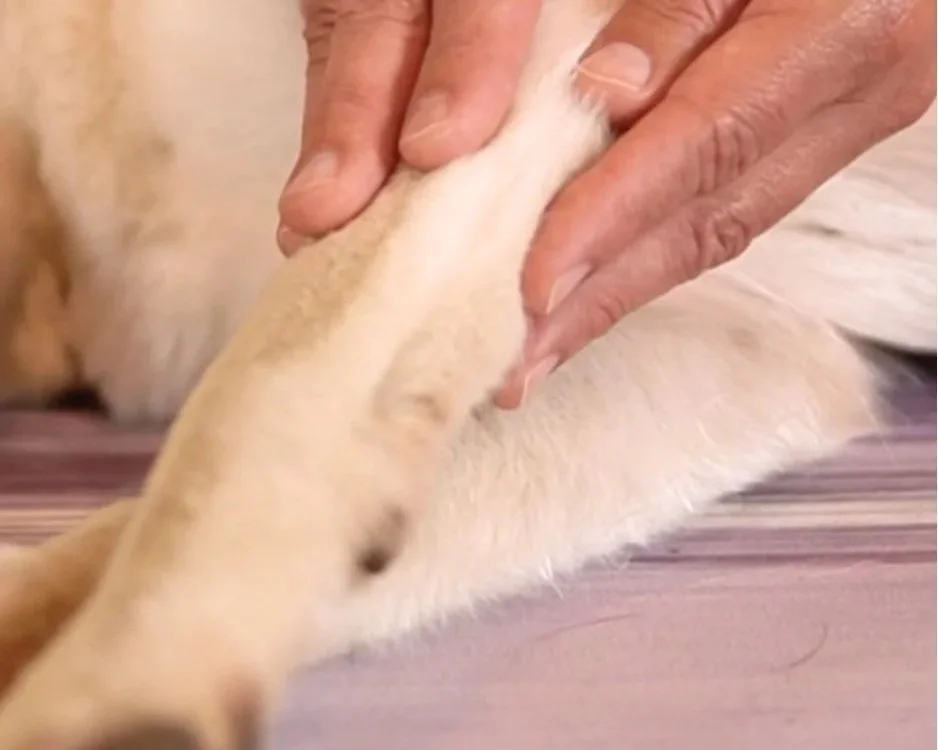
Gentle hands-on bodywork gives you an opportunity to slow down, spend focused time together, and become more familiar with how your dog responds to touch. Over time, that kind of attention can help you become more observant of their body, preferences, and changes.
Massage and other manual techniques are used within veterinary rehabilitation. AAHA includes massage among the manual techniques that may be incorporated into rehabilitation therapy, while current reviews also point out that research supporting individual physiotherapy interventions for canine osteoarthritis remains limited.
That's an important distinction.
At-home bodywork isn't a treatment for arthritis, and it isn't a replacement for veterinary care. It can simply be another piece of supportive care alongside appropriate movement, environmental management, veterinary treatment when needed, and everything else you do to help your dog feel their best.
Canine Bodywork Online was created to help dog owners learn gentle, supportive hands-on techniques they can use at home while developing a better understanding of their dog's body.
Winter Is a Good Time to Pay Closer Attention
A slower morning or shorter walk isn't automatically proof that cold weather is hurting your dog's joints. But when your dog starts moving differently, it's worth paying attention.
Look at the whole picture: their movement, environment, strength, daily activity, and what their body is telling you.
And if you'd like another way to become more involved in your dog's supportive care, explore Canine Bodywork Online to learn gentle techniques designed to help owners support comfort, mobility, relaxation, and body awareness at home!